
Property investment isn't complicated. Kigali just isn't taught properly yet.


What Property Investment Actually Is
Property investment is simply putting money into land or buildings to get more back later either through appreciation (the asset becomes worth more over time) or income (it generates rent while you hold it). Most serious property investments do both.
There are two building blocks worth understanding before anything else:
Land: the ground itself. Its value comes from location, legal status, and what you're allowed to build on it.
Improvements: anything built on the land. This is what generates rental income and what construction costs actually pay for.
Everything else off-plan buying, collective investment, rental portfolios is just a different structure for accessing those same two things.
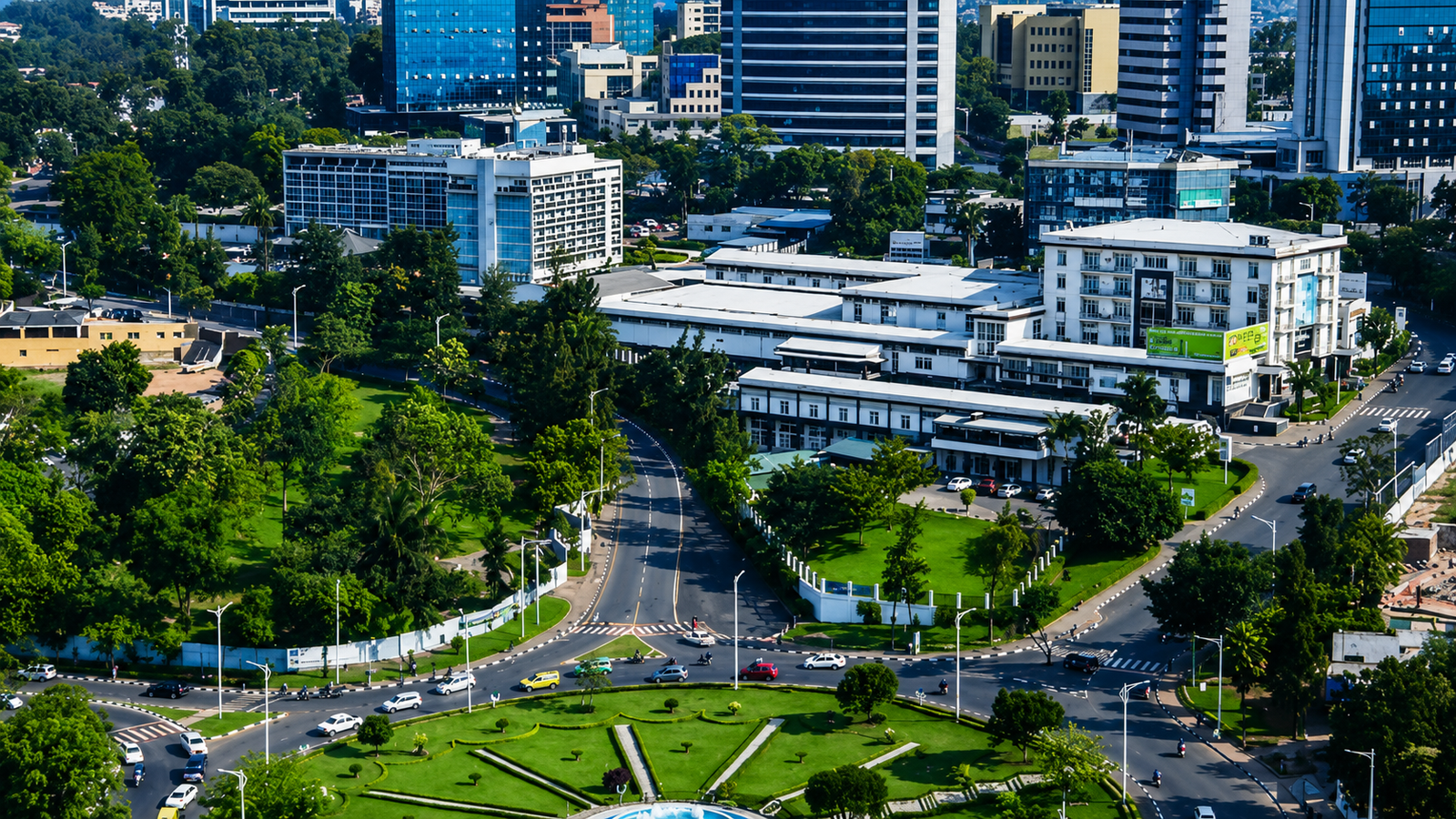
Kigali is being built out under a single, structured plan the Kigali Master Plan 2050 which designates zones for growth, assigns them formal use classifications (residential, commercial, mixed-use), and rolls out infrastructure to those zones in phases. That last part matters more than people realize: the city approves new residential physical plans only after assessing whether infrastructure roads, water, services is actually in place or committed for that area.
In other words, there's an identifiable, plan-driven sequence behind when and where land value moves in Kigali it isn't guesswork.
Layer onto that:
Rapid urban population growth pushing housing demand ahead of current supply
A limited number of officially serviced, buildable plots relative to demand Kigali is one of the higher-density cities in the region
Rising tourism and conference/MICE traffic increasing demand for both hospitality and short-term rental accommodation
Consistent diaspora demand for a legally secure way to hold an asset at home